
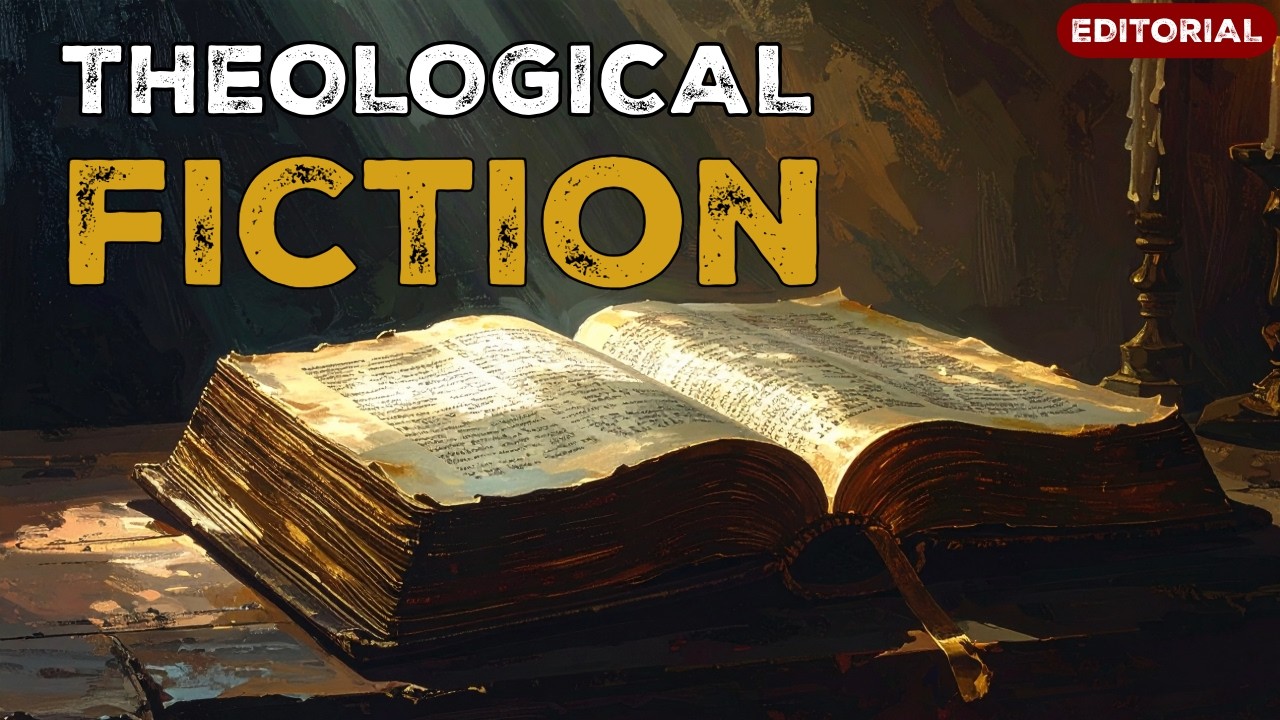
Theological fiction is fictional writing that puts belief under pressure. It dramatizes what faith costs, what it looks like when tested by evil, power, or the silence of God, and it refuses easy answers. Unlike Christian fiction, which tends to resolve toward comfort, theological fiction sits with the hard questions and lets them burn.
You won’t find it shelved under a single label. It lives in the spaces between genres, literary horror, dark speculative fiction, religious science fiction, wherever writers have decided that doctrine isn’t backdrop but stakes.
What Makes a Story Theological Fiction?
Not subject matter. Stakes.
A story packed with churches and scripture can have zero theological weight. A story set eleven thousand years from now, with no recognizable religion in sight, can carry the full freight of the genre. The difference is whether faith is load-bearing or decorative.
Theological fiction requires belief under narrative pressure. Faith is not color, it is structure. When it holds or breaks, the story turns on that moment. The invisible has to become dramatic: Peretti made spiritual warfare literal in This Present Darkness, but invisibility can also mean the slow erosion of conscience, the gap between the words of Christ and the system that borrowed them. And the tension can’t resolve cheaply. A character can arrive at faith or lose it, but the story has to pay for that arrival honestly. No guaranteed landings.
What all of this adds up to: doctrine as drama. Free will, judgment, the problem of evil, the nature of grace, these aren’t background in this genre. They are the plot. Theological fiction is not about religion. It’s about what happens to a human being when the invisible becomes unavoidable.
How Theological Fiction Differs from Christian Fiction
Christian fiction and theological fiction are not the same thing, and confusing them costs you the right reader.
Christian fiction resolves toward comfort. It’s often evangelistic in intent, written to affirm, to model, to bring readers closer to faith. Nothing wrong with that. It’s a different tool for a different reader.
Theological fiction is trying to see, not convert. Dostoevsky didn’t write The Brothers Karamazov to reassure anyone. He inhabited the question, God’s existence, the problem of suffering, the corruption of the church, and let the characters tear it apart from the inside. Walter Miller wrote A Canticle for Leibowitz in the shadow of nuclear annihilation with no interest in tidy resolutions about humanity’s goodness.
Modern Reformation once argued that novels used to be “books of high theology” and most aren’t anymore. The gap they left is where this genre lives.
Apokalypsis publishes in that gap, dark speculative fiction that treats theology as confrontation, not comfort. When we publish a story about final judgment or the nature of free will, we’re not offering reassurance. We’re offering the question at full weight.
The Wider Tradition: Apologetics Fiction and Religious Science Fiction
Theological fiction has neighbors worth knowing.
Apologetics fiction makes the intellectual case for belief through narrative rather than argument. C.S. Lewis’s Space Trilogy, especially That Hideous Strength, dramatizes what a purely materialist worldview produces when it finally has power. It doesn’t argue. It shows.
Religious science fiction extends the tradition into speculative futures. Walter Miller’s A Canticle for Leibowitz follows a Catholic monastery through centuries of post-nuclear civilization, theology at civilizational scale, played across a thousand years. James Blish’s A Case of Conscience asks whether a Jesuit botanist can reconcile alien life with the doctrine of the Fall. These books don’t bracket the theological questions. They build the whole structure around them.
Then there’s theological horror, which is where things get genuinely strange. Flannery O’Connor’s Wise Blood gives you a vehemently anti-Christian protagonist whose entire integrity depends on being haunted by Christ. Charles Williams, the least-read Inkling, wrote novels where spiritual reality bleeds into the physical world not as comfort but as dread.
The Enoch Wars universe, Apokalypsis’s flagship series, is in this tradition. Set in 11,018 A.D. It asks what happens to theology after ten thousand more years of human history, and whether any of the answers change.
Theological Fiction at Apokalypsis – Three Stories In This Tradition
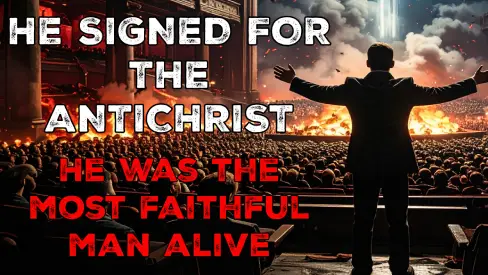
Edmund Carrington watches New Geneva burn in celebration, seven years of Tribulation, now a world that has decided by sheer collective will that it is done suffering. What he slowly understands is that the Global Covenant took the words of Christ and made them branding. A theological sci-fi story about the distance between the original and the copy, and what it costs a man to finally see it clearly.
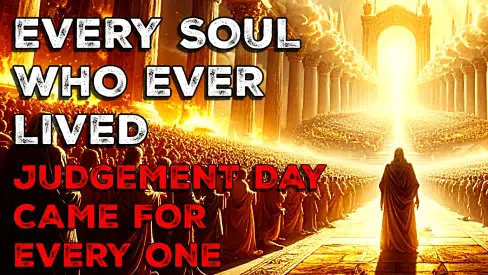
Every soul who ever lived wakes up in the same room. Paul takes the stand first. Satan watches from the gallery, no more accusations left, just the ache of what he already knows is coming. A speculative theological fiction set entirely at the Final Judgment, where the Book of Life is opened and justice turns out to look exactly like itself.
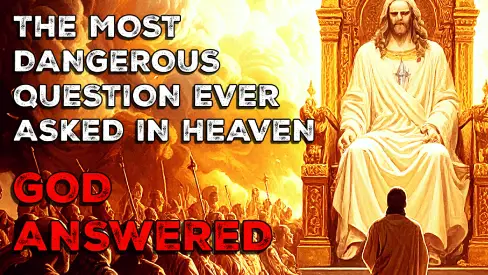
Satan argues his case before the White Throne. One final audition: prove himself with Job, earn the freedom to tempt without restriction. Five hundred words. Ends with a question nobody expected him to ask.
If You Like Dekker and Peretti, You’ll Find Your Next Read Here
If you’ve finished Ted Dekker’s Circle Series and didn’t know what to do with yourself afterward, if you loved the intensity of Frank Peretti’s This Present Darkness but wanted something with a harder literary edge, Apokalypsis was built for you.
We publish across the full spectrum of dark speculative fiction: horror, cosmic horror, surrealism, weird fiction, portal fantasy. The theological thread runs through everything. We think the hardest questions about existence belong in fiction, and that fiction is one of the few places they can be asked without someone trying to wrap them up.
Worth knowing: Mysterion publishes science fiction, fantasy, and horror with Christian themes and pays professional rates. Their archive is worth your time. Lorehaven covers Christian-made fantasy and sci-fi with a broader, more family-facing catalog. Apokalypsis is where the darker, stranger, more theologically confrontational work goes.
If that’s what you’re looking for, you’re in the right place.
The opening chapter of the Enoch Wars universe. A theological sci-fi story where one man must decide whether the Global Covenant’s love is real or a brilliant copy of the original.
Further Reading
If this editorial sent you looking for the tradition it describes, here’s where to start.
Frank Peretti – This Present Darkness (1986) is the book that made spiritual warfare fiction a genre. Visceral, fast-paced, and unapologetically charismatic in its theology. Start here if you haven’t already.
Ted Dekker – Black (2004), the first book in the Circle Series, is the best entry point into his work. Dual-world narrative, thriller pacing, Gospel allegory. He proved theological fiction could hit mainstream speed without losing its weight.
Fyodor Dostoevsky – The Brothers Karamazov (1880). If you read nothing else, read Book Five, Chapter Five, “The Grand Inquisitor.” The most devastating attack on Christ in literary history, written by a man who believed in Christ. Fifteen pages. No other preparation needed.
Walter M. Miller Jr. – A Canticle for Leibowitz (1960). Theology at civilizational scale, a Catholic monastery preserving meaning across 1,800 years of post-nuclear collapse. One of the few science fiction novels that theologians also read.
C.S. Lewis – That Hideous Strength (1945), the third book in his Space Trilogy, reads as a standalone. A portrait of technocratic evil that feels contemporary in ways Lewis couldn’t have intended. Darker than Narnia, sharper than his apologetics.
Flannery O’Connor – Wise Blood (1952). A vehemently anti-Christian man whose entire identity depends on escaping Christ, who haunts him anyway. Then read her essays in Mystery and Manners, she explains what she was doing and why darkness was the only honest tool available to her.
Charles Williams – Descent into Hell (1937). The least-read Inkling and the strangest. Spiritual reality operates in his novels not as metaphor but as mechanics. Difficult, rewarding, and unlike anything else in the tradition.
James Blish – A Case of Conscience (1958). A Jesuit botanist on first contact with an alien planet concludes the planet was created by Satan as a proof against the necessity of God. The novel never tells you if he’s right. Written by an atheist. Hugo Award winner.